

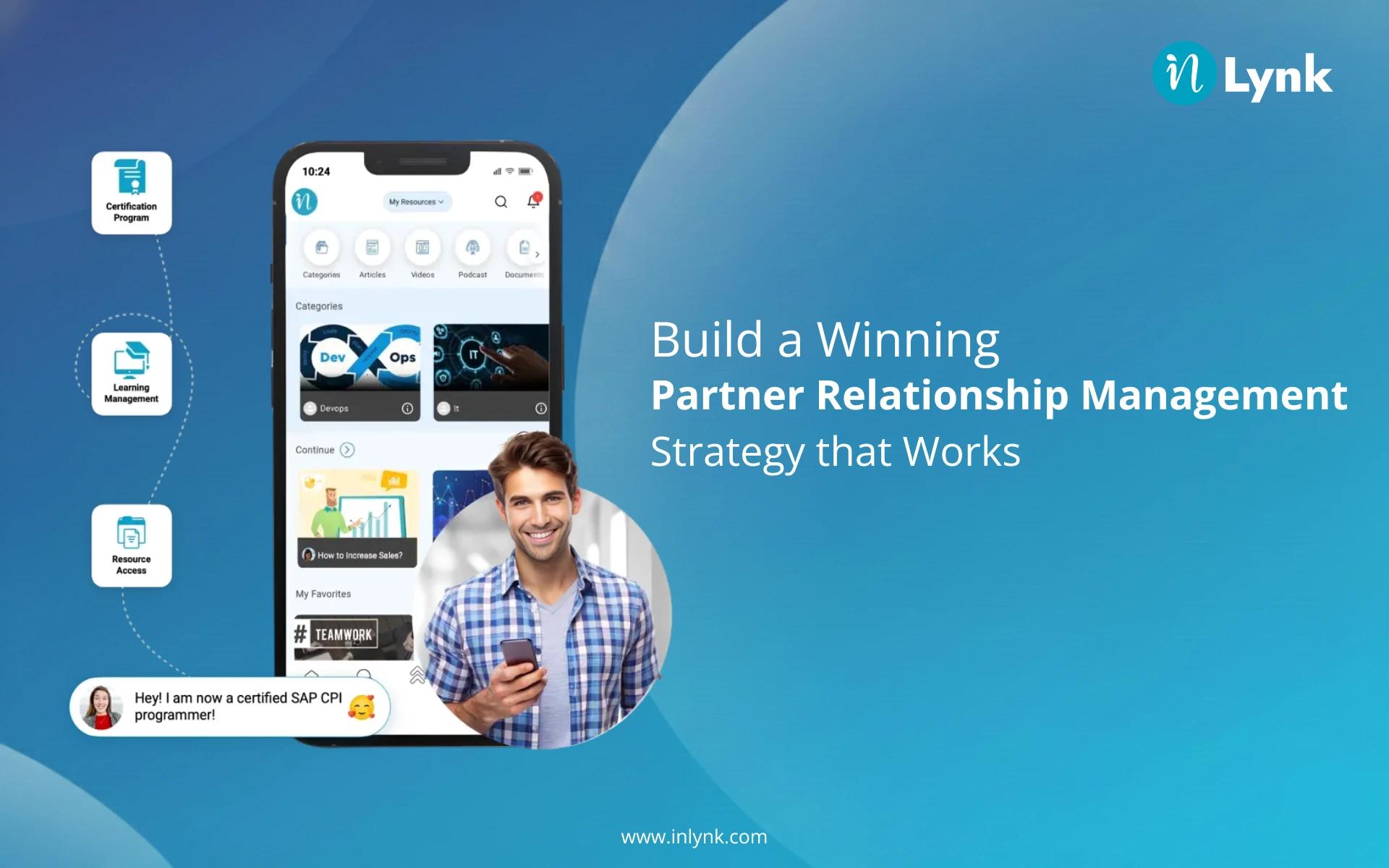
A partner relationship management strategy is a simple plan for effective B2B partner management, defining how your business works with other companies. These other companies, called partners, help you sell your products to more people. This strategy defines exactly how you will find the best partners and how you will teach them to sell your goods. It also outlines the support and rewards you will give them in return for their hard work. Instead of guessing what to do next, this plan gives you a clear roadmap to follow every day.
The main goal of this strategy is to build a strong partner ecosystem. An ecosystem is just a network of companies that all help each other succeed. When you have a clear strategy, your partners trust you more because they understand your rules and goals. This trust makes them work harder to sell your products. Ultimately, a good strategy changes your partners from strangers into a loyal team that helps your business grow.
In this blog, you will learn the essential pieces of a winning strategy. We will explain how to keep your partners interested and working hard for you. You will also discover simple ways to measure your success. By the end, you will have a clear guide to turning your partner network into a real advantage for your business.
What is a partner relationship management strategy?
To understand this strategy, we must first understand the basics.
A partner is another company that works with your business. They help you sell your products or services. They might introduce your product to their own customers. In return, you usually give them a share of the profit. This is a common way for businesses to grow.
Partner Relationship Management is often called PRM. It is the core of strategic partner management, the work you do to keep these partners happy and productive. It involves training them on your products. It involves giving them the tools they need to sell. It also involves talking to them regularly to solve their problems.
A strategy is a long-term plan. It is not just doing random tasks every day. It is a clear map of what you want to achieve.
So, a Partner Relationship Management strategy is your master plan for your partners. It defines who you want to work with. It defines how you will find them. It outlines exactly how you will support them so they can succeed.
This broader channel strategy helps answer important questions for your business. It decides what goals you want to hit. It decides how much money you will spend on your partners. It also sets the rules for how you and your partners will work together.
Without this strategy, your work with partners can become messy. You might spend time on the wrong partners. You might forget to give them the help they need. A good strategy keeps everything organized. It ensures that both you and your partners win.
Why is partner relationship management important for building partner ecosystems?
A partner ecosystem sounds like a big, complex term. But it is actually quite simple. Imagine a network of many different companies. All these companies are connected to your business. They all work to sell your products or help your customers. This entire group is your partner ecosystem.
Building this ecosystem is hard work. Keeping it healthy is even harder. This is why active ecosystem management is so important. This is why partner relationship management is so important.
First, it focuses on trust building. Partners are separate businesses. They have their own goals and their own worries. They need to know that you care about their success. If you manage the relationship well, they feel valued. When they feel valued, they work harder for you. They stay with you for a long time.
Second, it creates order. Imagine having fifty partners. If every partner calls you at the same time with a different question, it creates chaos. Good management sets clear rules. It gives partners a clear way to get answers. It makes sure everyone knows what they are supposed to do. This keeps the ecosystem running smoothly.
Third, it helps you grow. You cannot treat every partner the exact same way. Some partners are new and need training. Some partners are experts and need freedom. Partner relationship management helps you understand these differences. It allows you to give the right help to the right partner at the right time.
Finally, it connects the pieces. In a strong ecosystem, partners sometimes help each other. But they cannot do this if they are isolated. A good collaboration framework brings everyone together under one vision. It turns a crowd of strangers into a strong team. Without this management, your ecosystem is just a list of names. With it, your ecosystem becomes a powerful engine for growth.
How Does a Partner Ecosystem Strategy Improve Partner Engagement?
Engagement is a measure of how active your partners are. An engaged partner is interested in your product. They log in to your system often. They actively try to find new customers for you. A partner who is not engaged does very little work. They might even forget about your business entirely.
A good partner engagement strategy solves this problem. It is the key to keeping partners awake and active.
First, the strategy removes confusion. Partners often stop working because they do not know what to do next. They might not know how to sell your product. They might not know who to call for help. A clear strategy provides a roadmap. It tells them exactly what steps to take. When the path is clear, partners are more likely to walk down it.
Second, the strategy makes their job easier. Selling is hard work. If your process is difficult, partners will give up. A good strategy plans for the tools and resources they need. It makes sure they have brochures, training, and easy software. When you remove the barriers, partners can focus on selling. This keeps them busy and engaged.
Third, the strategy defines the rewards. Partners are businesses, and they want to make money. A strategy sets clear goals for them to hit. It shows them exactly what they will earn when they succeed. This creates excitement. It gives them a target to aim for. When partners see a clear reward, they work harder to reach it.
Finally, a strong partner collaboration strategy keeps the conversation going. It ensures that you talk to your partners regularly. It might be through newsletters or monthly calls. This makes the partners feel like part of a team. They do not feel ignored. When they feel connected to you, they stay engaged with your business.
What are the key components of a successful PRM strategy?
A strategy is like a machine. It needs several different parts to work correctly. If one part is missing, the whole machine might stop. A successful PRM strategy framework usually has five key parts.
The first part is finding the right partners. You cannot just work with anyone. You need to decide what perfect business alliances look like for your company. Then, you need a plan to go out and find them. This step ensures you start with the best people.
The second part is training. When a new partner joins you, they do not know your product. They do not know how to sell it. Your strategy must include a way to teach them. This is often called onboarding. It is the time when you show them how everything works.
The third part is channel enablement, giving them tools. Imagine asking a carpenter to build a house without a hammer. It would be impossible. Your partners need tools too. They need brochures, price lists, and contracts. Your strategy must provide these items so they can do their job without struggle.
The fourth part is the reward system. Partners put in a lot of effort. They need to know what they get in return. Your strategy must clearly explain the rewards. This could be money, prizes, or special status. A good reward keeps them motivated.
The last part is communication. You need a clear way to talk to your partners. You need to decide how often you will meet. You need to decide who they should call if they have a problem. Good communication prevents small issues from becoming big problems.
When you put all these parts together, you master partner lifecycle management and build a strategy that really works.
How do you measure the success of your partner relationship management strategy?
You have a plan. You have partners. But how do you know if it is actually working? You cannot just guess. You need to look at the numbers and engagement analytics. Accurate performance tracking helps you see what is good and what needs to be fixed.
The first thing to measure is revenue. Revenue is the money that comes in from sales. You should check how much money your partners are bringing to the company. If this number is going up, your strategy is likely working. If it is staying the same, you might need to change something.
The second thing to measure is activity. You need to see how many partners are actually doing work. Count how many partners log into your system each week. Count how many partners register a new potential customer. If partners are quiet, it means they are not engaged.
The third thing to measure is the speed of sales. Look at how long it takes for a partner to close a deal. A good strategy makes selling fast and easy. If partners take a very long time to finish a sale, they might be struggling with your tools or rules.
The fourth thing to measure is partner growth. You should track how many new partners join you. You should also track how many partners leave. If many partners leave you, it is a bad sign. It means they are not happy with your program.
Finally, you should measure satisfaction. This is simply asking your partners how they feel. You can send them a short survey. Ask them if they have what they need. Ask them if they are happy working with you. Their answers provide valuable relationship intelligence that tells you the truth about your strategy.
When you track these numbers regularly, you stop guessing. You begin to make decisions based on facts.
Turn Your Strategy into Action with the Right Software
Writing a strategy on paper is the easy part. The hard part is actually doing it every day. If you try to manage fifty different partners using only spreadsheets and email, you will quickly become overwhelmed. Messages get lost. Files are hard to find. People forget to do their training.
This is why you need a dedicated tool. A strategy without the right software is just a list of wishes. You need a system that does the heavy lifting for you.
Simplify Your Partner Management with inLynk
inLynk is a software platform designed to make this entire process simple. It takes the strategy we just discussed and puts it into an easy-to-use digital system. It replaces the chaos of old methods with a clear, organized workspace.
First, inLynk organizes your relationships. Instead of a messy contact list on your phone or computer, you get a clean, structured network. You can see exactly who your partners are and which person on your team is responsible for managing them.
Second, it solves the training problem. We talked about how important it is to teach your partners so they can sell your product. With inLynk, you can build full training courses right inside the software. Partners can log in, study your videos and documents, and earn certificates automatically when they pass a test.
Third, it makes sharing tools easy. You do not need to email brochures or price lists one by one. You simply upload them to the central “Resources” library. Your partners can log in and view these official documents instantly, ensuring they always have the correct information.
Fourth, it helps you sell together. The platform has a special feature called “Deals”. This allows you and your partners to track sales opportunities together in a transparent way, so everyone knows exactly what is happening with a customer.
inLynk brings everything into one place. It provides lifecycle automation that handles the boring administrative work for you. This allows you to stop worrying about paperwork and start focusing on building stronger, more profitable relationships.
FAQs
What is partner relationship management strategy?
It is a clear plan for how your business finds, supports, and works with other companies to sell more products. This roadmap defines your goals and the exact steps you will take to help your partners succeed.
Why is partner relationship management important for building partner ecosystems?
It builds trust and keeps your network of partners organized instead of chaotic. When you manage these relationships well, partners feel valued and work harder to help your business grow.
How does a partner ecosystem strategy improve partner engagement?
A good strategy removes confusion by giving partners the right tools and clear instructions on how to sell. When partners know exactly what to do and have the support they need, they stay active and interested.
What are the key components of a successful PRM strategy?
The main parts are finding the right partners, training them well, and giving them the tools they need to sell. You also need a clear system for rewarding their hard work and communicating with them regularly.
What challenges do companies face in partner relationship management?
Companies often struggle with poor communication, which leads to confused or unhappy partners. It can also be difficult to keep track of what every partner is doing without the right tools or software.
What role does data and analytics play in partner relationship management?
Data helps you see which partners are selling well and which ones need more help. By looking at the numbers, you can fix problems quickly and make better decisions to grow your sales.