

For decades, enterprises have relied on channel partners to expand market reach, drive revenue, and deliver localized expertise. However, the structure of partner ecosystems has fundamentally changed.
What was once a network of resellers has now evolved into a complex ecosystem of distributors, system integrators, technology partners, affiliates, and digital communities. Traditional partner management approaches—and many legacy PRM platforms—were not designed for this new reality.
In 2026, the challenge is no longer managing partners. The real challenge is activating an entire partner ecosystem.
- The Partner Engagement Crisis
- Fragmented Partner Technology Stacks
- The Rise of Partner Experience (PX)
- Lack of Ecosystem Visibility
- Co-Selling Complexity
- Scaling Global Partner Communities
- From Partner Management to Partner Ecosystems
- The Organizations That Will Win
- Conclusion
- Frequently Asked Questions
The Six Real Challenges Enterprises Face Today
1. The Partner Engagement Crisis
One of the biggest problems organizations face today is simple but critical:
Partners rarely log into partner portals.
Most PRM systems function as static repositories for documents, deal registration, and marketing assets. Over time, engagement drops, communication becomes fragmented, and partners move to informal channels like messaging apps. Modern partner ecosystems require:
- Continuous engagement
- Social-style communication
- Community interaction
- Leadership visibility
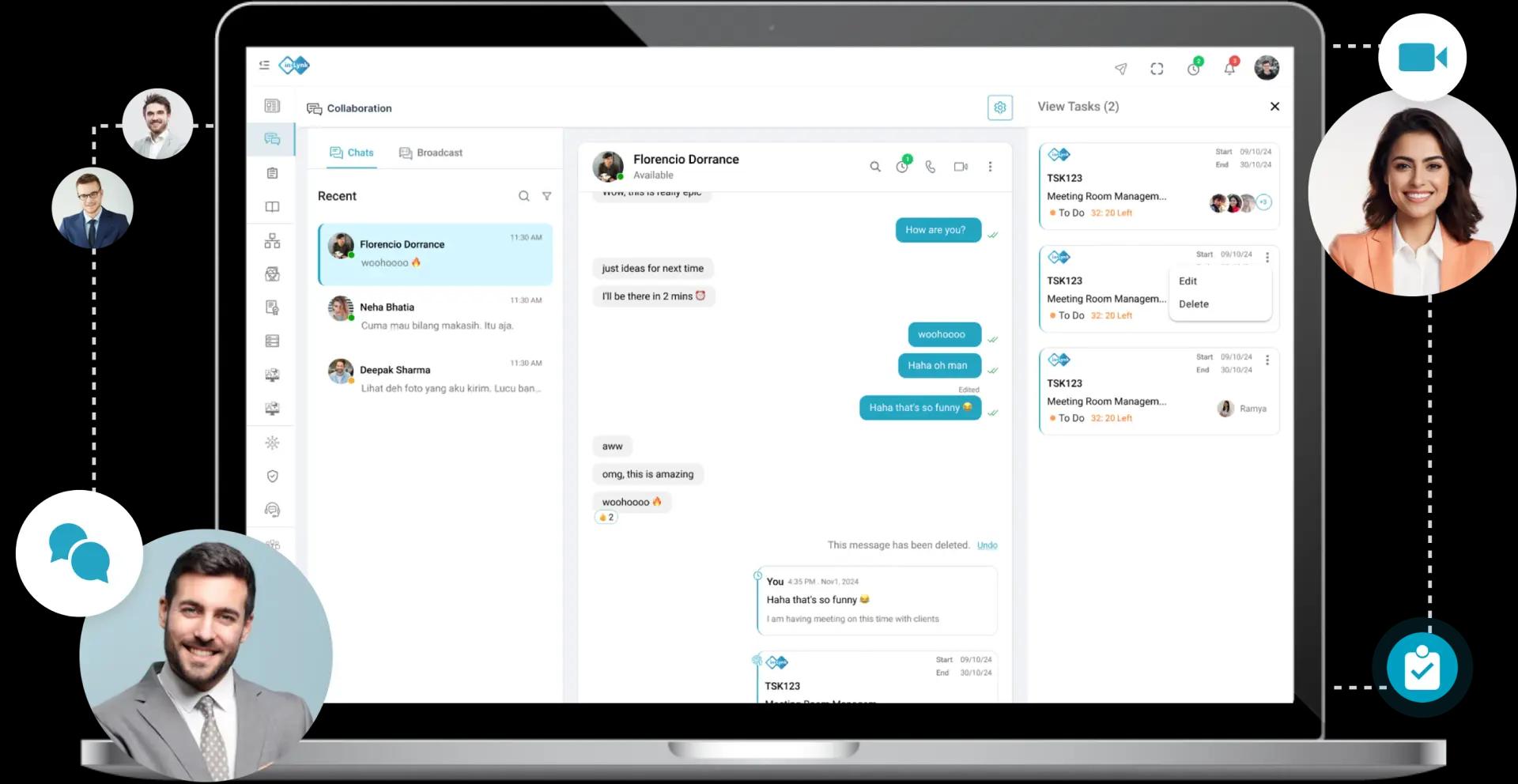
Platforms like InLynk address this by transforming partner environments into interactive digital communities rather than passive portals.
2. Fragmented Partner Technology Stacks
A typical enterprise partner program today uses multiple disconnected systems:
- PRM portal
- Learning platform
- Webinar tools
- Communication platforms
- Content repositories
- Marketing tools
The result is friction for partners and operational complexity for organizations.
Forward-looking companies are consolidating these capabilities into unified ecosystem platforms that bring communication, collaboration, training, and engagement into a single experience. To see how these tools work in practice, you can explore AI partner relationship management examples that show how automation is solving these silos.
3. The Rise of Partner Experience (PX)
Just as Customer Experience (CX) transformed marketing and service strategies, Partner Experience (PX) is becoming a critical success factor. Partners now expect:
- Mobile-friendly platforms
- Real-time updates
- On-demand learning
- Easy access to experts
- Faster collaboration with vendors
If engaging with a vendor feels difficult or outdated, partners prioritize other alliances. Success often depends on a solid partner relationship management strategy that puts the partner’s ease of use at the center of the program.
4. Lack of Ecosystem Visibility
Executives increasingly want insight into questions such as:
- Which partners are actively engaging?
- Who is influencing deals?
- Which regions show emerging partner opportunities?
- Which partners require enablement support?
Traditional systems track transactions but fail to provide a holistic view of ecosystem behavior. Modern ecosystem platforms aggregate engagement, learning activity, collaboration signals, and participation into a more comprehensive operational view.
5. Co-Selling Complexity
The modern partner ecosystem includes more than resellers. Organizations now collaborate with technology alliances, system integrators, marketplace partners, affiliates, and developer communities. Deals often involve multiple partners working together, creating complexity in coordination, communication, and governance. This requires platforms that support collaborative selling environments, not just partner registration workflows.
6. Scaling Global Partner Communities
As partner programs grow internationally, organizations face challenges in distributing knowledge, maintaining consistent messaging, and aligning strategy. Traditional PRM systems were not designed for community-scale engagement. Digital partner ecosystems are increasingly adopting community-style environments where partners learn, interact, collaborate, and grow together.
Knowing how to implement partner relationship management system correctly is the first step toward building these scalable, global communities.
From Partner Management to Partner Ecosystems
The shift happening across industries is clear.
- Old model: Partner Relationship Management
- New model: Partner Ecosystem Enablement
The goal is no longer administrative efficiency alone, but ecosystem activation. Platforms like InLynk are emerging to support this transition by combining communication, learning, collaboration, events, governance, and partner engagement into a single digital environment.
The Organizations That Will Win
The companies that succeed in the next decade will not simply manage partners more efficiently. They will:
- Build stronger partner communities
- Enable faster collaboration
- Share knowledge at scale
- Create engaging ecosystems
Because in modern B2B markets, growth happens through ecosystems—not isolated companies.
Conclusion
The era of the “isolated reseller” is over. In 2026, business growth is tied directly to the health and activity of your entire partner network. Moving from traditional management to ecosystem enablement isn’t just a technical upgrade—it’s a strategic shift. By focusing on partner experience and community, organizations can turn a static list of partners into a dynamic, revenue-driving engine.
Frequently Asked Questions
What is the difference between a partner program and a partner ecosystem?
A partner program is usually a linear relationship between a vendor and a reseller. A partner ecosystem is a multi-directional network where resellers, tech partners, and service providers all work together to provide value to the customer. A successful partner ecosystems are built on community and engagement, not just transactions.
Why are partners eventually stop using PRM tool?
Most traditional PRM portals are (Static) and just act as an extended CRM arm. Social feeds, interactive communication, and collaboration tools increase platform stickiness compared with static portals.
How does a unified stack help my partners?
It replace fragmented partner tools with a unified platform.When partners can find training, register deals, and talk to your team in one single place, they spend less time on admin and more time selling.
What is Partner Experience (PX)?
PX is the total of all interactions a partner has with your brand. Just like you want a great experience for your customers (CX), a great PX makes it easier and more enjoyable for partners to work with you instead of your competitors.